Series
Illusion Lab
The same length, but it looks different. The same color, but it looks different. Illusion Lab shows you an optical illusion, then lets you move the lines and lay a ruler on them to find out what is really there. Every figure is drawn from exact numbers, so when we say two things are the same, they really are.
8 episodes YouTube playlist
Episodes
-
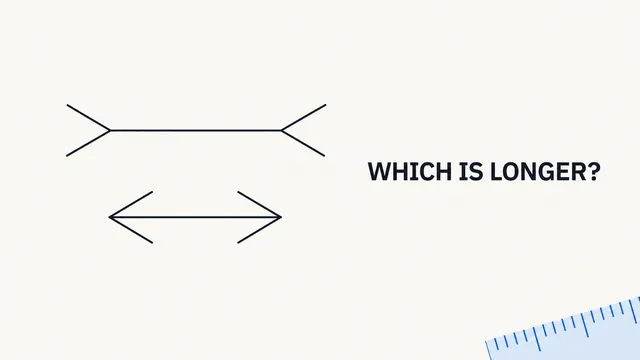 How Far Can You Trust Your Eyes on Length?
Equal lines look unequal under the Müller-Lyer, vertical-horizontal, and Ponzo illusions.
-
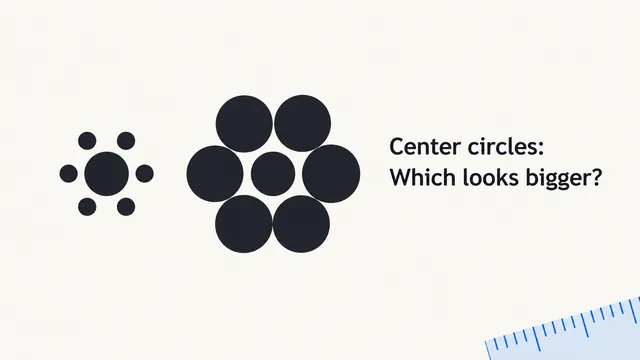 Which Circle Looks Bigger? The Ebbinghaus Illusion, Tested
In the Ebbinghaus, Delboeuf, and Jastrow illusions, equal circles and strips look different in size.
-
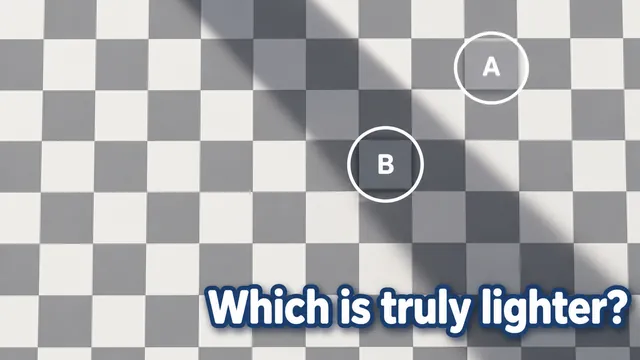 Which Patch Looks Lighter? Shadow & Stripe Optical Illusions, Tested
Simultaneous contrast, the checker-shadow, and the Munker illusions make patches of one value look different.
-
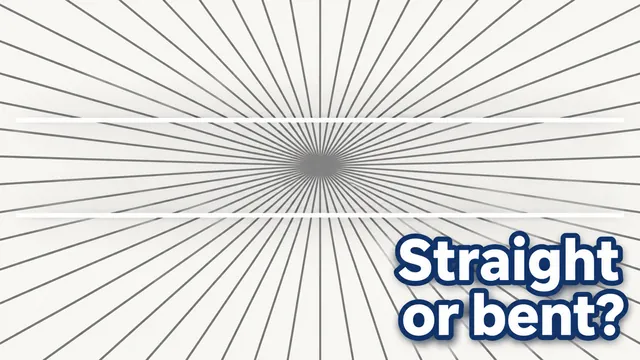 Why Do Parallel Lines Look Tilted? Café Wall & Zöllner Illusions
In the café wall, Zöllner, and Hering illusions, straight or parallel lines look tilted or bent.
-
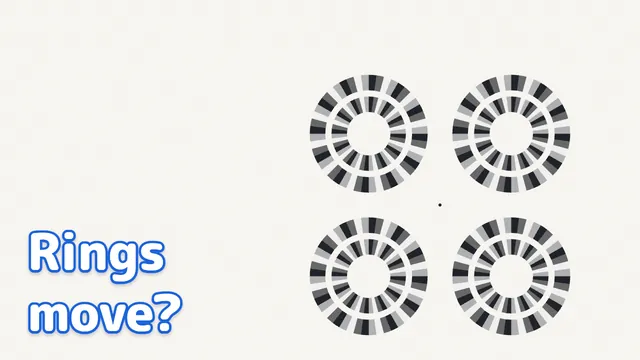 Optical Illusion: Why Do Still Rings Look Like They Move?
The rings look as if they slide or rotate, but they are still images whose coordinates never change.
-
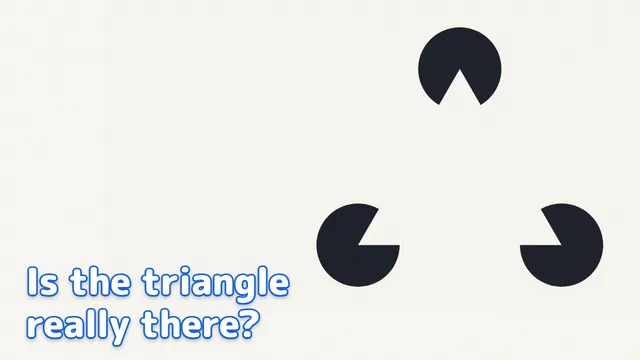 How Far Can You Trust Your Eyes on Shapes?
You may see a triangle between the cut circles, but no lines or fill are drawn: the blank inside is the same color as the paper outside.
-
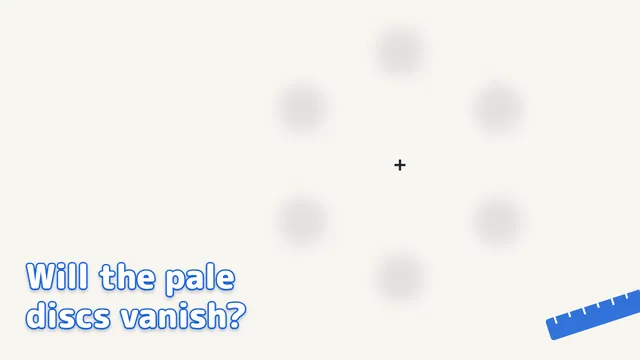 How Far Can You Trust Your Eyes on What's There?
Dots and discs that stay drawn can vanish from sight while you stare at the center.
-
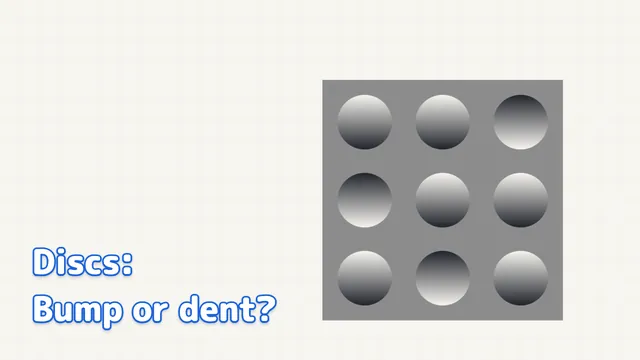 How Far Can You Trust Your Eyes on Depth?
Bumps, front and back, and height can appear even when the images do not specify a unique depth.
Also searched asoptical illusionvisual illusionhow eyes are fooled